

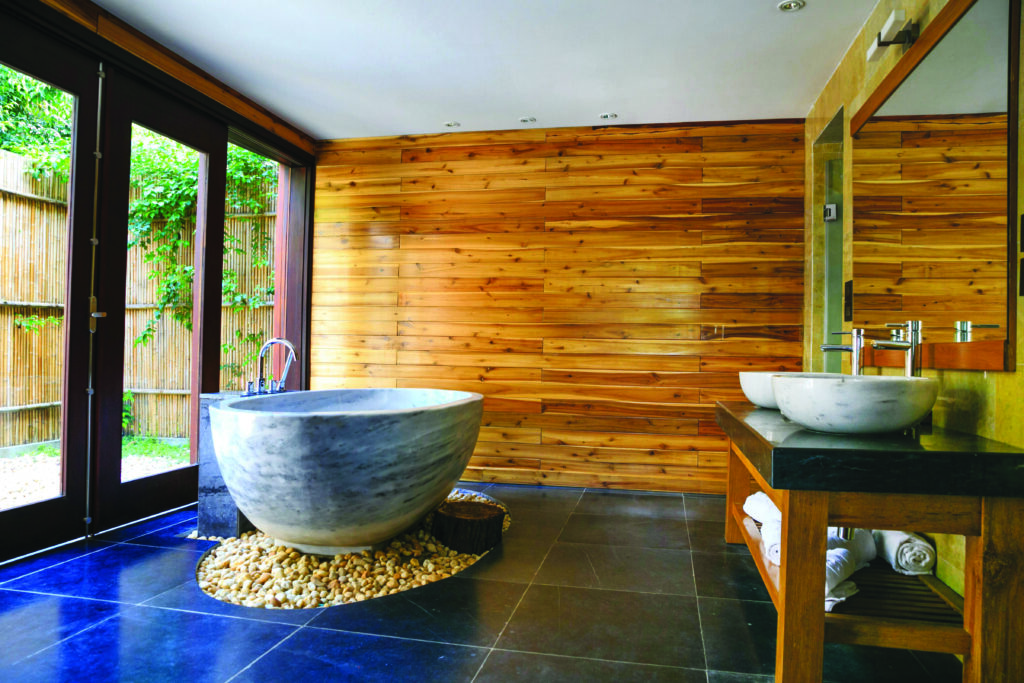
Beyond Function: Not Simply Skimming the Surface
Why tiles define both performance and aesthetics in modern washrooms?
Why Tiles define both performance and aesthetics in modern washrooms
As the single most popular flooring and wall-panel material for washrooms, the humble tile has evolved dramatically. Over the years, it has acquired richer styles, bolder textures, finer patterns, and a far wider colour spectrum, unleashing a new wave of design creativity in the washroom space.
Great flooring remains the key to a well-designed and spotless washroom. Selecting flooring or wall panels for a washroom is fundamentally different from choosing surfaces elsewhere. Materials must cope with high humidity, routine water spills, soap residues, and temperature changes. Indian washrooms typically have wet floors and, in older layouts, limited segregation between functional zones such as the WC, shower, and washbasin. This is steadily changing, and even modest new homes now adopt more segmented, efficient
layouts.
Designers often use tiles as perhaps the most versatile medium to transform a washroom. The right selection upgrades any space, allowing designers to craft calm, aesthetically coherent washrooms that may reflect the user’s personal style. While slip resistance, finish quality, strength, and cost remain non-negotiable, recent years have also seen a noticeable focus by the design fraternity to underline health and push for germ-resistant and anti-viral ranges. As preferences shift and manufacturing advances, tiles have moved from being mere coverings to becoming instruments of design identity.
Interior palettes are increasingly leaning toward calming, natural colours. Simultaneously, larger tile formats and antique-inspired patterns are appearing more frequently on both walls and floors, lending a new visual grammar to the contemporary washroom.
Size Matters
One unmistakable trend in recent years is the shift toward larger tile formats. The once-ubiquitous 12”×18” and 24”×12” tiles are steadily giving way to broader dimensions. The ready availability of reliable adhesives – combined with a growing pool of experienced masons – has made it feasible to install large-format porcelain tiles on walls as well as floors. This technical comfort has accompanied an aesthetic shift away from the glossy Light–Dark–Highlighter formula that dominated many residential washrooms.
Designers are increasingly comfortable specifying matte-finish, large-format tiles to achieve cleaner planes and calmer surfaces, although conventional approaches continue to be popular where they suit the brief. At the high end, the vocabulary is minimal clutter and clean lines: a restrained envelope in which every other element – washbasin, faucets, shower fittings – sits in visual harmony. The market’s range is genuinely vast, and designers often guide clients toward choices that align with both taste and budget.
Keeping pace with current directions, leading brands now field collections inspired by biophilic cues, Moroccan motifs, bold marble veining, geometric grids, classic wood grains, metallic sheens, terrazzo chips, and retro concrete textures. The best feature is the varying sizes of the tiles, which gives designers a lot of freedom and elbow room to run riot with their creativity. Simply with their treatment of surfaces, designers create interesting narratives in the washroom space. Varying tile sizes support diverse compositions as leading companies offer different sizes – 30×60mm, 30×75mm, 45×90mm, 60×60mm, 60×120mm, 80×160mm, 120×180mm and available across coordinated shades and finishes.
Mosaic, Patterns and Colour
Aesthetic judgment is the designer’s signature. It is contextual and depends on the overall theme. mosaics and coloured wall tiles have been preferred by many architects and builders too. Mosaic tiles allow a strong personal expression of the design philosophy. Whether deployed as a subtle highlighter on a single wall or arrayed across the washroom for a distinctive signature, many designers recommend mosaic and geometric patterns to elevate otherwise understated envelopes. By combining precisely crafted patterns, hue, and surface application, tiles help designers create a unique look for their projects.
Moroccan tiles remain a favourite way to uplift a space. For minimalist briefs where they do not need to say something everywhere, designers frequently assign Moroccan tiles to a special corner, recess, or a single emphatic wall. In popular wall sizes, 12×18 and 12×24 mosaic variants now exist in both small and large sizes. By often cutting and re-laying the mosaic sheets in permutations and combinations that suit their taste, the creative designer is further expanding the design vocabulary.
To this end, thankfully patterned and coloured tiles come in a wide spread of designs – floral, herringbone, geometric, basket weave and even minimalist forms. There is a section amongst the creative lot that often combines vibrant shades such as yellow, aqua blue, and red, with quieter neutrals like beige and grey. The attempt is to create a breadth that enables attractive, tailored interiors that totally appear cohesive when combined with a clear palette.
The question and choice of gloss or matte is as old as the hills. The choice of the tiles’ finish remains central to any designer’s design attitude. Glossy tiles reflect light exceptionally well, creating a bright, seemingly larger washroom, and they are typically low-maintenance and stain-resistant. Matte finishes, by contrast, cultivate understated beauty and quiet sophistication – especially where glare control or a more tactile, grounded feel is the designer’s desired objective.
Coloured and glazed tiles have, however, ceded the centre stage. Unlike the long-held assumption that they dominate, according to some experts, market feedback indicates they are now used more selectively in niches or to accentuate specific planes.
Ceramic tiles employed as wall panels continue to be a common designer’s preference in washrooms, particularly where a uniform, easy-to-clean surface is needed. In terms of motifs, trends show a clear tilt toward marble-inspired, geometric, and floral designs, with rustic textures often preferred on floors for their natural character.
Beyond Wood and Nature
It’s no wonder that wood and natural stone have served as surface coverings for centuries – wood for warmth and intimacy, marble for opulence and sheen. For long, they were clubbed as essential elements of the ‘natural’ look. Even in 2025, this combination remains culturally relevant. A long-running, technology-led shift in the tile industry has influenced natural-looking tiles that convincingly imitate marble, granite, and wood. The advantages over quarried or manufactured materials are practical. The obvious ease of installation, predictable pricing, dependable availability, and lower maintenance demands wins hands down, and most designers say that clients thank them for just this aspect.
No Repetitive Patterns
Manufacturers of tiles, especially the leading brands, are aware of this and their advanced printing and decoration methods now enable ceramic and porcelain tiles to replicate not only colour combos but also texture and natural randomness – vein movement, grain direction, mineral speckling – so convincingly that no two tiles appear as having rolled off a conveyor belt blandness. Now, pattern repetition is far less noticeable than it once was. Designers are especially pleased as the latest products avoid the boring rubber-stamp effect and achieve a nuanced, non-repetitive rhythm on the surface.
Warmth of Wood without Fragility
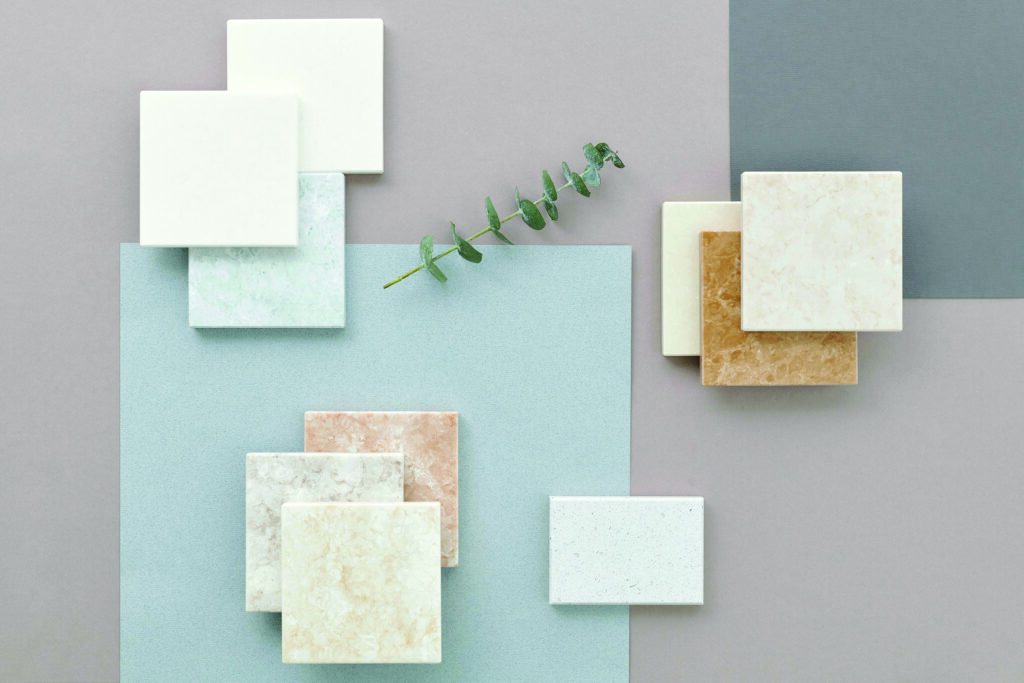
Faux-wood tiles, for example, offer a wide spectrum of decorative choices and are remarkably durable. Their popularity owes much to steady investment in research, production infrastructure, and quality control by leading manufacturers. As close replicas of natural wooden finishes, they present an eco-friendlier path and bring a cluster of benefits: straightforward installation, high durability, strong resistance to day-to-day wear, and lower vulnerability to household chemicals. For many modern interiors, they are the default choice when warmth is desired without the maintenance burden of natural timber.
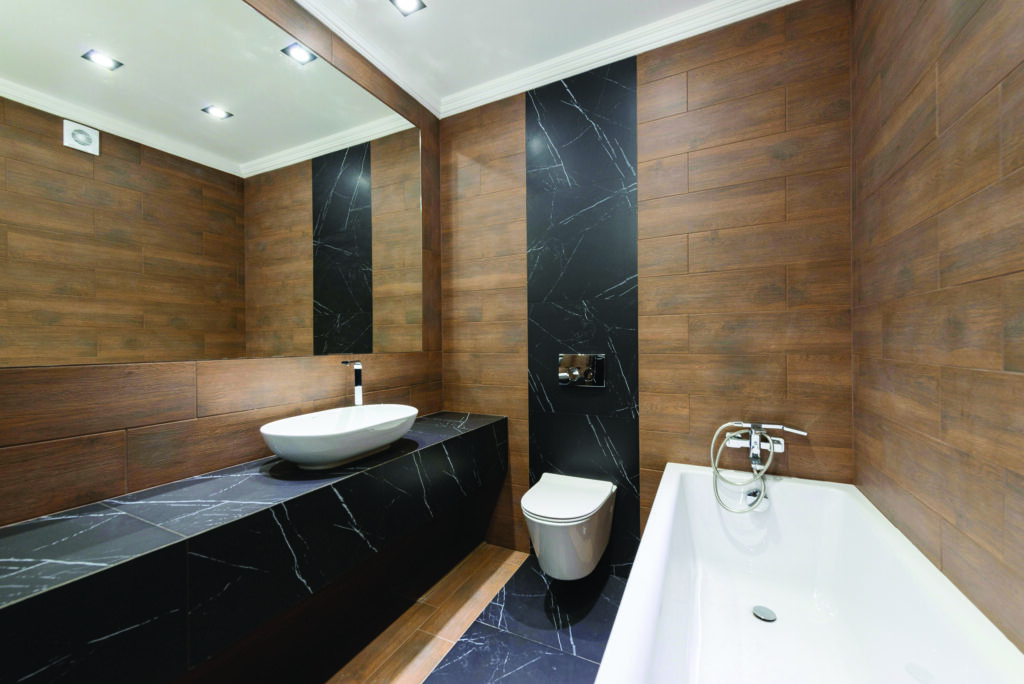
Wood-effect luxury is matched by marble-look porcelains and synthetic ranges that replicate stone with notable accuracy. Crucially, these replicas pair aesthetics with the functionality and feasibility required in demanding wet areas, often proving more durable and longer-lasting than natural planks or certain stones in comparable use conditions.
Limitless Styles
Ultimately, the reason designers prefer tiles to be the vehicle of their creative talent is the sheer wide range of impressions and effects they can generate in small spaces. Some of the unique options across the tiles segment include mixed colour palettes, high-gloss finishes for a touch of glamour, and retro concrete inspirations that add playfulness at the same time. Manufacturers now offer book-match patterns, graphic-drawn surfaces, and even custom photo-imprinted tiles – strong options for feature walls and highlighters.
Design geometries are expanding beyond rectangles: trapezoids, rhombi, and diamond profiles invite more inventive layouts than simple grids. Inside a washroom, a décor scheme can go further still by sprinkling the same-shaped tiles of another colour, either randomly or in deliberate sequence, to add energy and variation.
It is no surprise, then, that tiles have become the single most significant element used by designers for visibly elevating a washroom’s interior expression.
Keeping Up with Trends
With innumerable choices, selecting appropriate tiles for a given project often confuses homeowners, especially with tastes and trends in constant flux. The interior designer takes the mantle of hand-holding the client, and the wide range of tiles helps immensely in all this.
Designers emphasise that each washroom is unique, and therefore material selection must mirror lifestyle and use patterns. They therefore typically lead clients toward options that align with a coherent aesthetic sense. A cross-section of designers has the following broad recommendations:
A Small Washroom in a Small Apartment
For compact washrooms, lighter shades and small-sized tiles help spaces read larger and airier. Limit patterns to one or two in rooms of this scale. On walls, light-coloured glossy tiles boost brightness and apparent volume. On floors, matte-finish, anti-skid tiles are advisable. Formats around 30×30cm are preferred because they allow an effective slope to be built for water run-off.
A Large Spa-like Luxury Washroom
In large luxury washrooms, specify large-sized tiles in pastel shades, matte finishes, or soothing hues. Larger tile sizes, such as 30×60cm in calm colours with a matte surface, deliver a composed, upscale look. Highlighter tiles should be avoided unless their design integrates seamlessly with the base palette and remains minimal. In most cases, a single, well-chosen base tile is recommended.
A Medium-sized Contemporary Washroom
For medium-sized contemporary washrooms, choose medium tiles – 60×120mm, 45×90mm, and related formats – in contemporary patterns or nature-inspired motifs aligned to the theme.
One can also introduce larger, bold marble-finish tiles. Such spaces work well with a mix of base and highlighter tiles; position highlighters to create a feature wall, for example, a shower wall that runs full-height from ceiling to floor. For floors, tile sizes up to 60×60cm perform well.
Washroom for Pre-teen Child
Environment shapes temperament. For a child’s washroom, bright, playful colours – Yellow, Aqua, Pink, or Red – set an upbeat tone. Safety remains the first consideration: specify germ-free and anti-skid tiles as the default.
Guest Washrooms and Powder Rooms
For guest washrooms, tiles that borrow from architectural legacies – premium colour-body options in wood, stone, or metallic finishes – create a poised impression.
Designers always prioritise slip resistance, and many leading brands provide slip-resistant tiles by applying a micro-textured coating that maintains a high coefficient of friction even when the surface is wet.
On walls, glossy marble-effect tiles work particularly well, and designers explore laying patterns using light-and-dark combinations of the same marble. For floors, Moroccan or geometric patterns serve as highlights while complementing the wall planes.
Tags: Bathroom Tiles, Guest Washrroms, Spa like Washrooms, Tiles